Styling
How to Match Earrings With Your Hairstyle
Hair changes the frame around an earring. It can reveal the full silhouette, soften its scale or hide much of its detail. Rather than following strict hairstyle rules, think about visibility, proportion, movement and the complete outfit. The aim is to choose earrings that can be seen as much—or as little—as you intend.
Open hair
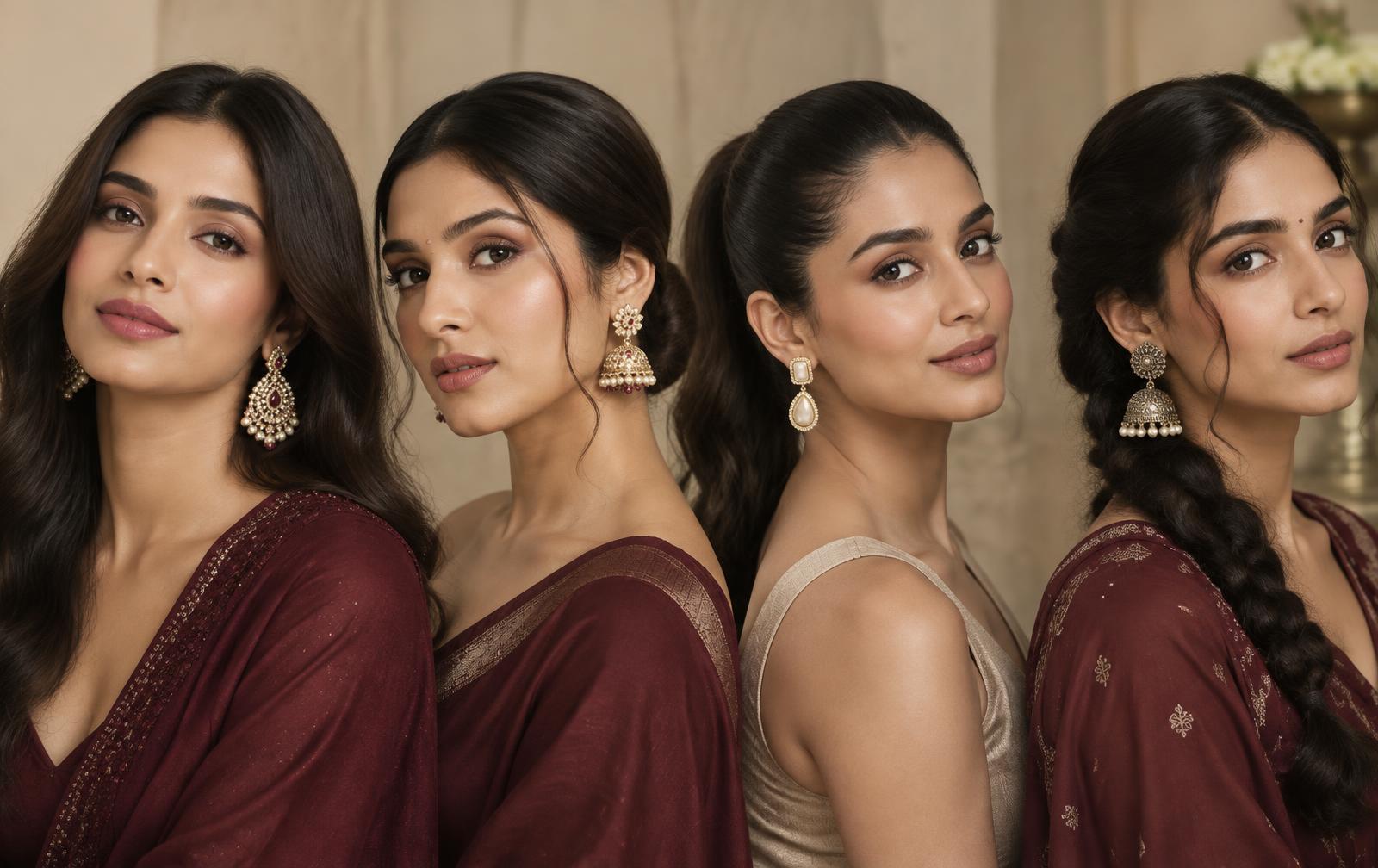
With hair worn loose, very small earrings may disappear, especially in thick or long hair. Medium drops, defined jhumkas and earrings with a clear outline can remain visible through movement. Tucking one side behind the ear is an easy way to reveal a smaller pair.
If the hairstyle already has substantial volume, consider earrings with length rather than equal width, or choose a simpler shape that does not compete with the hair's texture.
Buns and updos
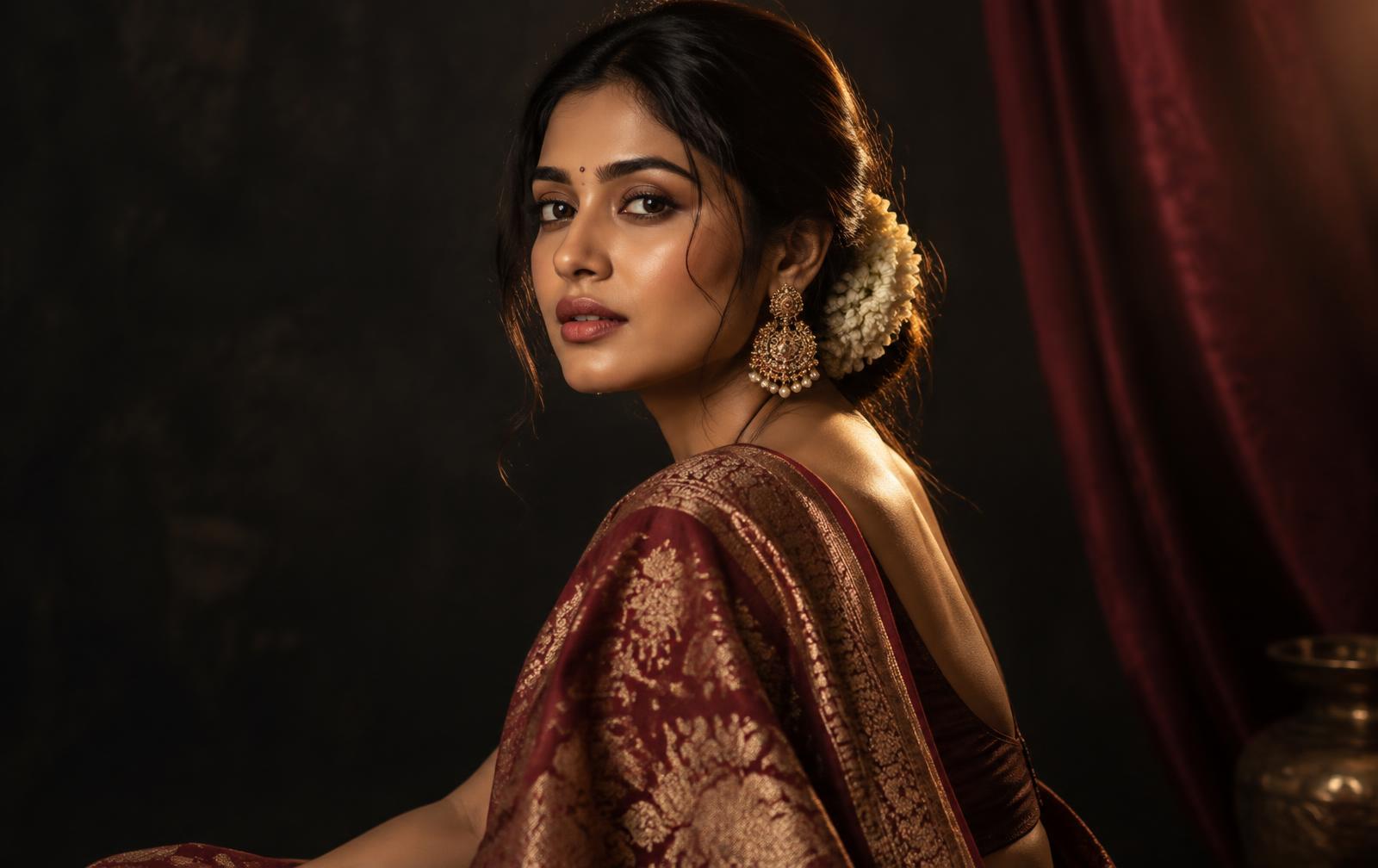
An updo creates open space around the face and neck, making almost the entire earring visible. This can support detailed drops, jhumkas or a wider silhouette. Because visibility is increased, a medium pair may appear more prominent than it does with open hair.
The placement of the bun matters. A sleek high bun can make graphic or elongated earrings feel modern, while a soft low bun can complement rounded and traditional shapes.
Ponytails
A high ponytail adds energy and reveals the ears clearly. Compact drops, hoops or linear styles can echo that clean movement. A low ponytail feels softer and can work with medium jhumkas or rounded earrings.
Check the earring from the side as well as the front. Hair can swing against the back of longer pieces, so comfort and secure closures are important.
Braids
Braids introduce a strong line and visible texture. If the braid sits over one shoulder, earrings can balance the opposite side or repeat a rounded detail from the outfit. With an ornate braid or hair accessories, simpler earrings may keep the frame around the face clear.
A central or back braid leaves both earrings visible, allowing a more symmetrical and expressive pair.
Short hairstyles
Short hair often gives earrings a clear background. Studs and compact drops can look crisp, while longer or broader shapes can become the main feature. Consider the line of the haircut: angular shapes can echo it, while curves can provide contrast.
Because the neckline may also be exposed, decide whether earrings or a necklace will lead rather than automatically making both equally strong.
Half-up styles and face-framing layers
Half-up hair combines visibility with softness. Medium earrings often work well because the upper hair is controlled while loose lengths remain around the shoulders. Face-framing strands can overlap wide earrings, so a narrower drop may stay clearer.
Try the final hairstyle before choosing, especially if curls or layers change the apparent scale around the face.
Balance the complete look
- Try earrings after the hairstyle is finished, not before.
- Turn your head to check movement and contact with hair.
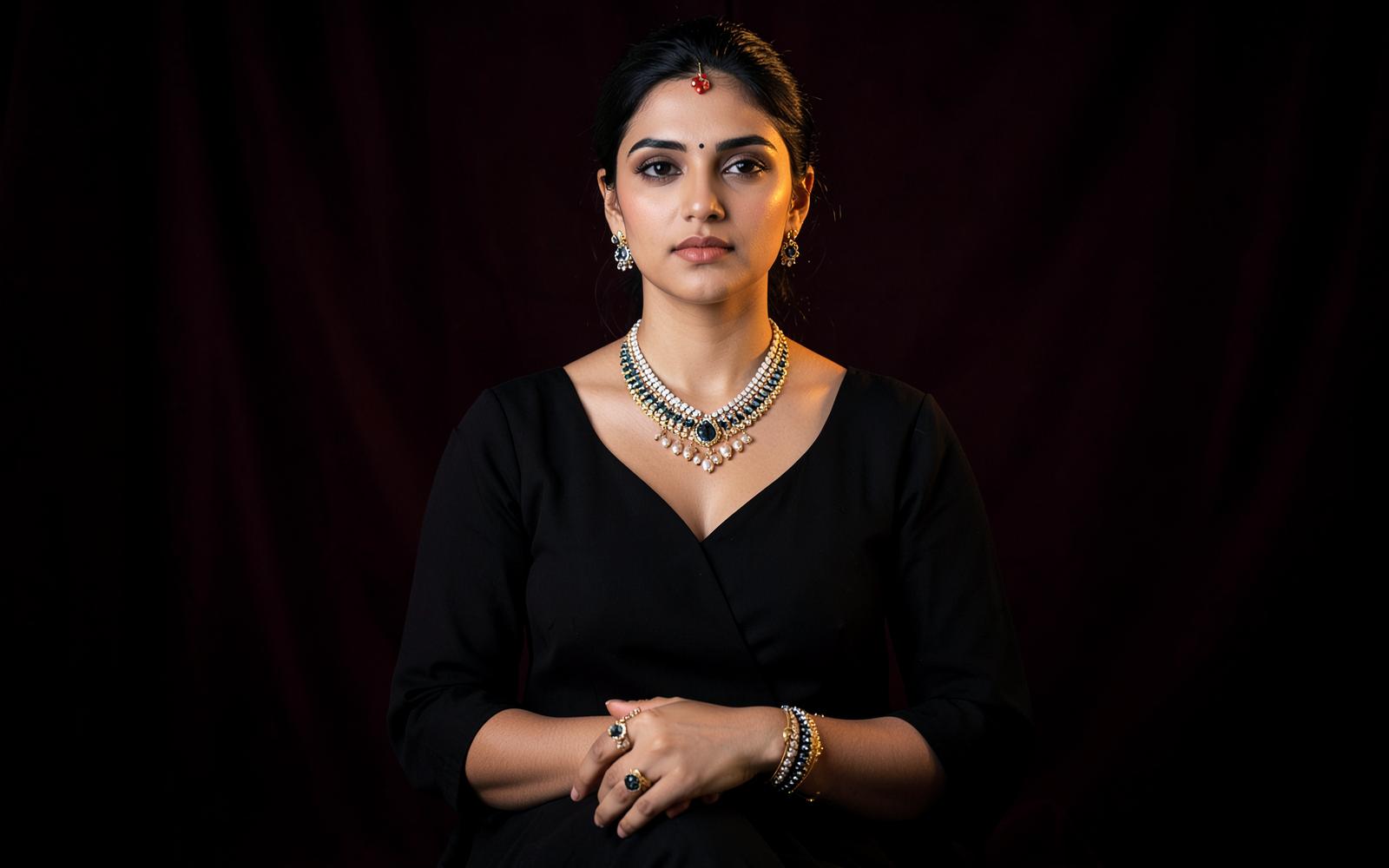
- Consider the neckline and necklace at the same time.
- Use secure backs and choose a comfortable weight for long occasions.
- Treat visibility as a choice—partly hidden earrings can create a softer effect.